

A previous post argued that if we’re using documentaries to change minds, it helps to use ones people like (re: rate highly on IMBD).
Likewise with food. If we’re promoting plant-based options, it helps if people find them yummy. For instance, here are some delicious things you can get at two vegan restaurants I love, Spicy Moon and Jajaja:
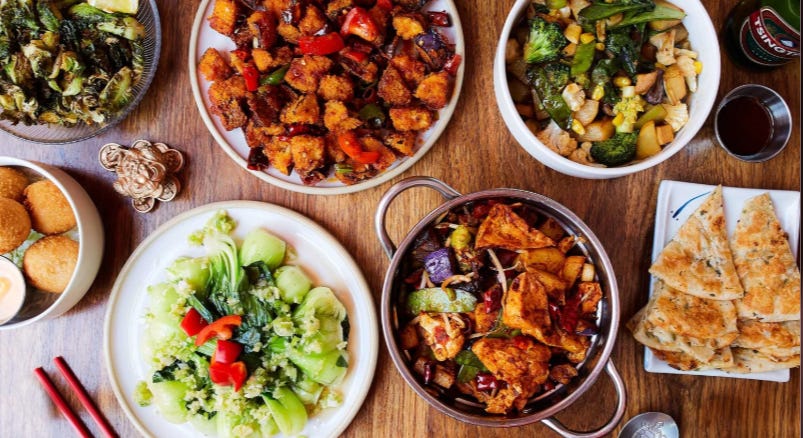
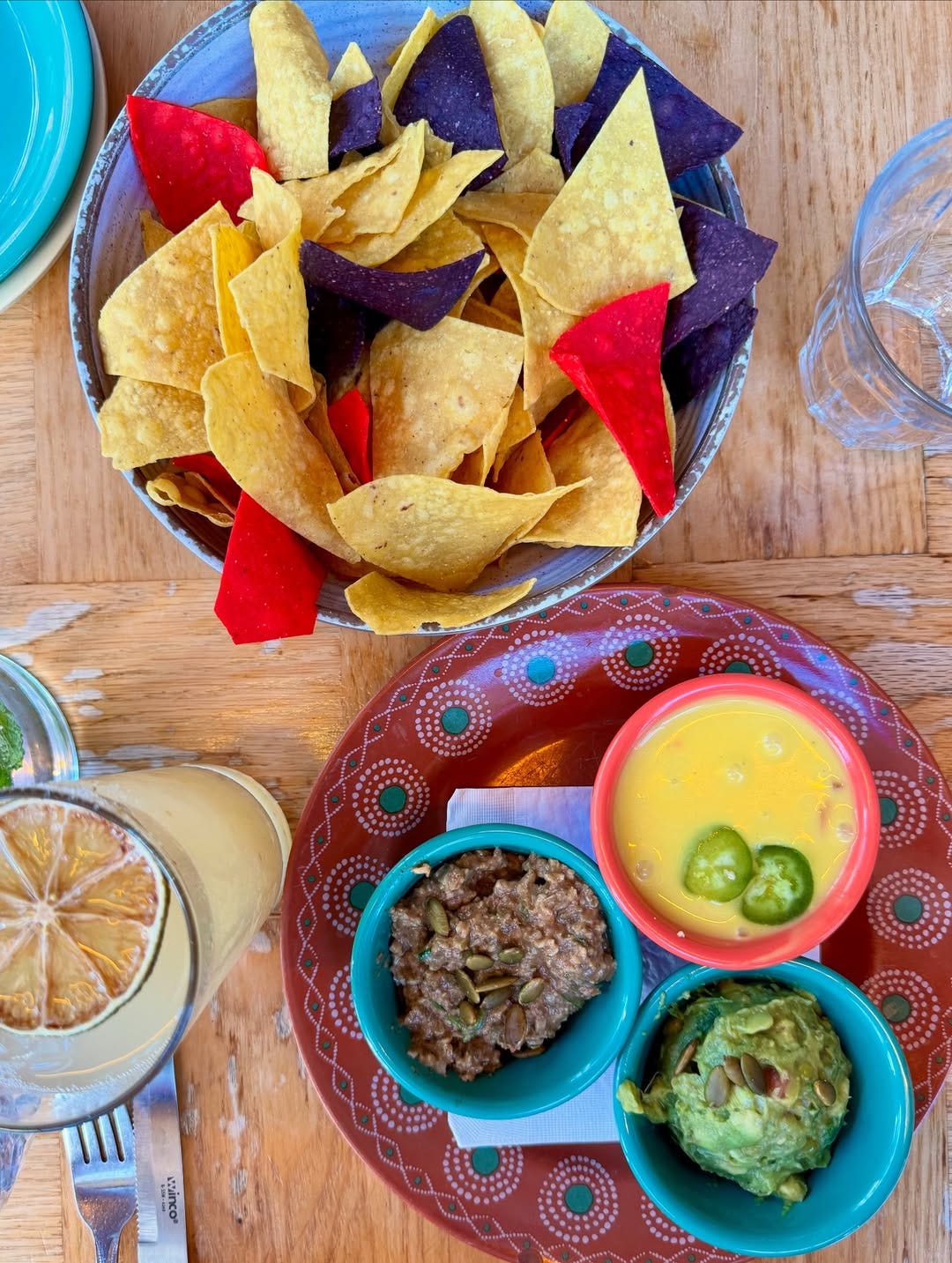
But in the studies I’ve read, basically nothing tries to make vegan food better as its treatment. Instead, researchers tell people that plant-based options are delicious, or that other people say so. Consider:
Piester et al. (2020), one of whose treatments was a sign saying that the “garden fresh veggie burger is a tasty choice!” (Is it though?)
Sparkman et al. (2020) had signs put in a restaurant saying “Have you heard? Our customers are choosing less meat and more plant-based dishes.”
Turnwald et al. (2019) used “Taste-focused labels (e.g., “Herb n’ Honey Balsamic Glazed Turnips,” “Sizzlin’ Szechuan Green Beans with Toasted Garlic”)” to “elevate diners’ expectations of a positive taste experience with vegetable dishes.”
One quasi-exception is Bianchi et al. (2022), which provided people with meat alternatives and recipes to help prepare them, so in some sense, that’s trying to get people to make plant-based foods more tasty for themselves. But we don’t know if those recipes were good or if people liked the things they made.
Here are some loose study ideas on this theme:
Arrange a free class for cafeteria chefs at a high-end vegan restaurant (maybe not Eleven Madison Park, sad face) and then measure how much plant-based food they’re preparing before & after;
Pay the good folks at Spicy Moon/Jajaja/Public Records to cater a subset of university events and survey folks after on diner satisfaction/ beliefs about how delicious vegan food can be vs. a control group of regular catering & a second treatment of a more standard plant-based catering option;
Personalized plant-based meal prep and dining consultations for the 12% of Americans who eat half of all beef in America, many of whom probably know that red meat, like cookies, is a sometimes food;
Figure out what the most popular meat-based options are at a restaurant and provide the restaurant with free tofu/beyond meat/whatever for a month on the condition that they make plant-based versions of the popular items that match the overall flavor profile closely.1 If it’s a chain, roll the treatment out at a randomly selected subset and you’ve got yourself a field experiment.
I’d love to see more work on this.
This idea is inspired by (re: straight lifted from) a recent conversation with the good folks at Greener by Default.
These are great points. Spicy moon is so good!
I feel like the rollout of beyond meat orange chicken supports your thesis that preparing vegan food really well could make a difference. From what I can tell, there was really high demand for that dish from the vegetarian crown, and very positive press coverage even from omnivore writers. There was a change.org petition with thousands of signatures asking them to bring it back. My wife and I both really liked it, for whatever that's worth.
Though I suppose the glass half empty view is the fact that it was discontinued and hasn't been back since. So maybe the sales were actually really disappointing? I wish I had better knowledge of what actually happened here.
I love the attention to detail in each post of yours which feels exciting because it’s a detail I haven’t considered before.
Great point because among plant-alternatives, to my understanding, there is a decent amount of variation in “taste quality,” but maybe that has improved recently with weaker players going bankrupt.
It depends on the goal of the studies, but the study ideas don’t seem that relevant to working class people, which matter a lot if the goal is widespread adoption
That being said, I wonder how much this would make a difference. How much more tasty are the plant-based alternatives in the 75%to100% quadrant of most tasty plant items to your average person?